Welcome to SMART Core Facility
Welcome to SMART Core Facility
 Time:2026/06/25
 Source:深圳医学科学院
On May 15, 2026, an intense academic atmosphere pervaded the Weiguang Life Science Park – the third "Bay Area Molecular Interaction Detection Technology Symposium," jointly organized by the Shenzhen Medical Academy of Research and Translation and the Shenzhen Bay Laboratory, was held as scheduled. Over a hundred experts, scholars, and technical core members from universities, research institutes, and biopharmaceutical enterprises across the country gathered together, focusing on cutting-edge directions such as protein-ligand recognition, drug screening optimization, and live-cell dynamic interactions, delivering a truly substantial feast of ideas.
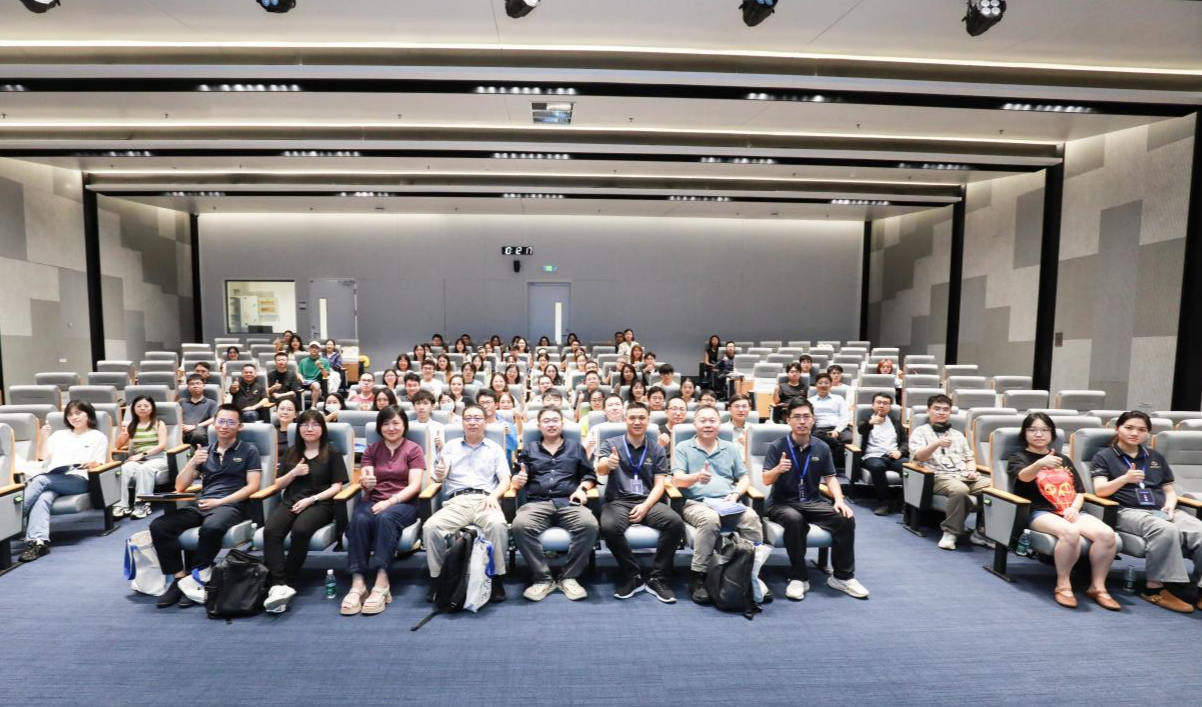
At the beginning of the symposium, Dr. Xiaojing Pan, team leader of the Sample Preparation and Analysis Core Facility, presented a panoramic view of the construction achievements and service ecosystem of the Bio-Tech Center, centering on the theme of "Platform Layout – Technical Capabilities – Open Sharing." Subsequently, Dr. Xingqiao Xie, Senior Engineer, further elaborated on the positioning of the Sample Preparation and Analysis Core Facility: to provide one-stop specialized services ranging from sample preparation to analytical testing for research teams in life sciences, medicine, and pharmacy. The symposium was co-hosted by Dr. Xingqiao Xie and Mengsi Sun, Engineer of the Biochemistry Core Facility at Shenzhen Bay Laboratory.
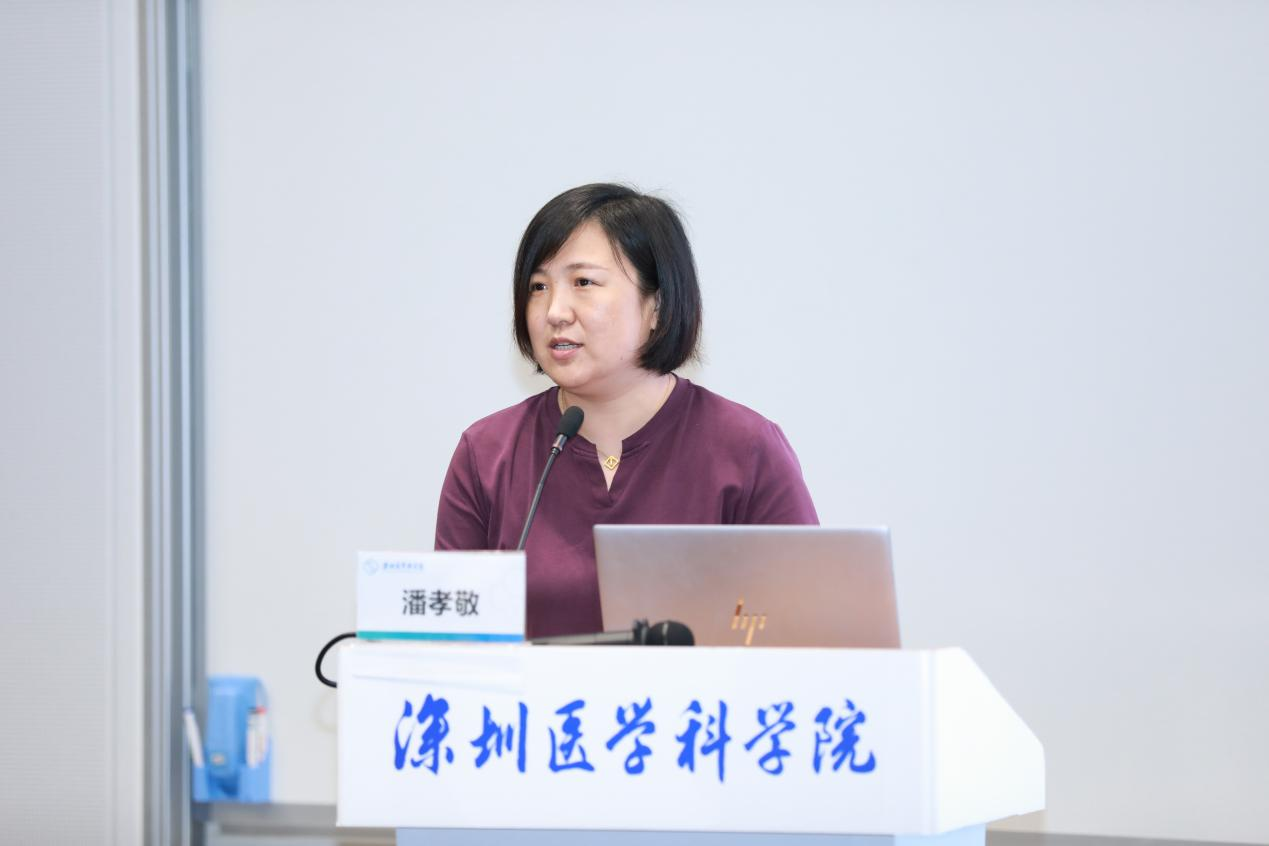
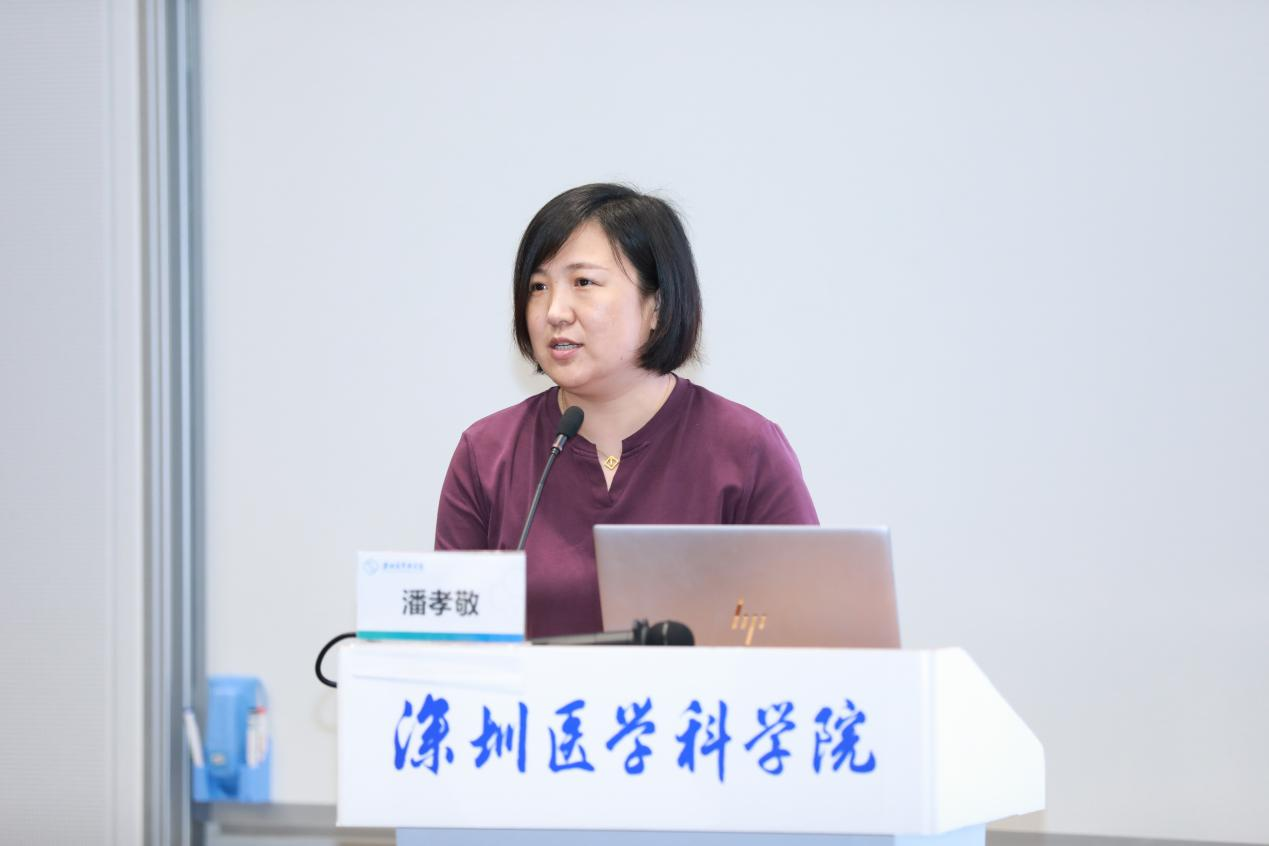
Dr. Xiaojing Pan, team leader of the Sample Preparation and Analysis Core Facility
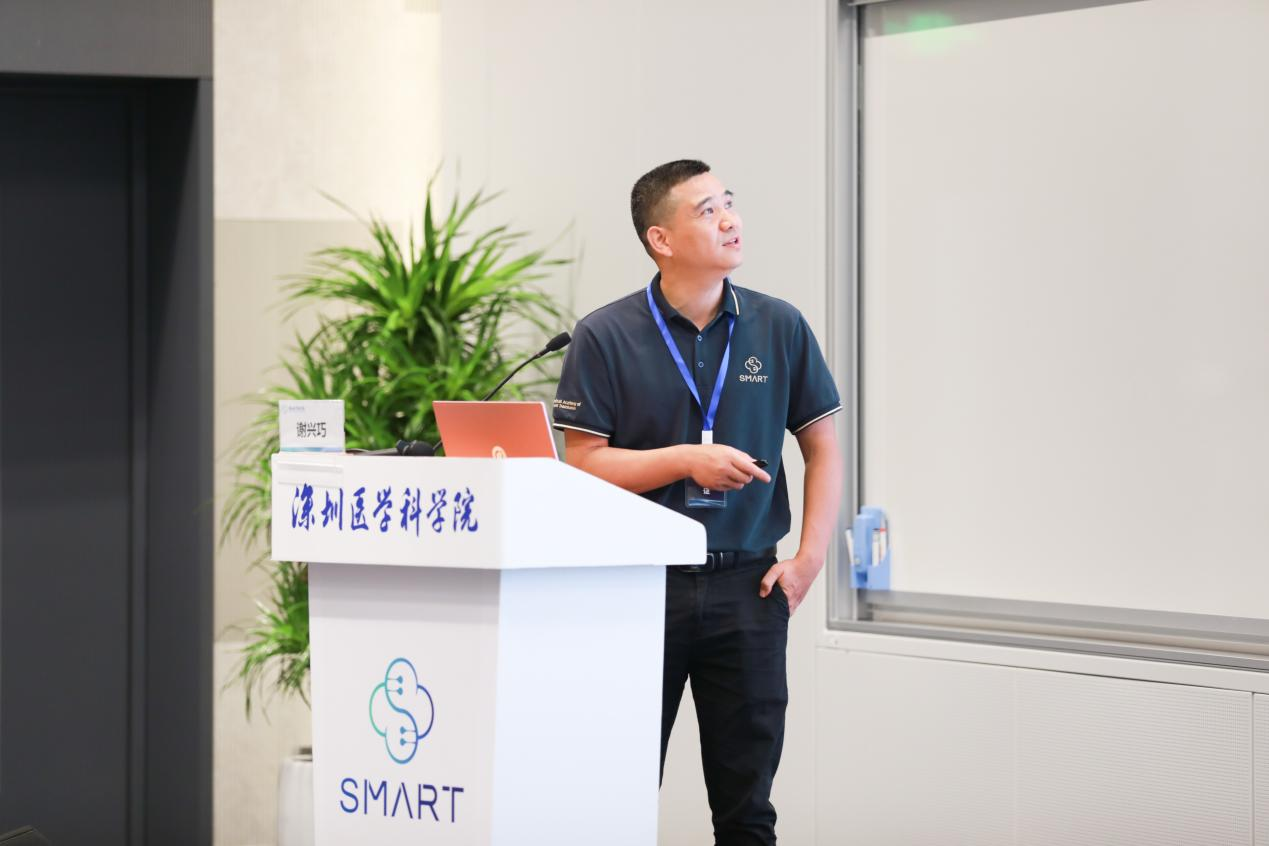
Dr. Xingqiao Xie, Senior Engineer for Sample Preparation and Analysis Core Facility
Junior Principal Investigator Yu-Hsuan Tsai from the Shenzhen Bay Laboratory directly addressed two major pain points in solid tumor CAR-T therapy – off-tumor toxicity and cytokine release syndrome. He proposed replacing the traditional single-chain variable fragment (scFv) with directed disulfide-bond-constrained macrocyclic peptides (DDMPs) to construct a novel CAR-T targeting HER2 and TROP2. Experimental results showed that DDMP-CAR-T exhibits an "antigen-density gating" property: it efficiently kills tumors only when antigen expression is high, while significantly reducing the release of multiple pro-inflammatory cytokines such as IL-2 and IFN-γ. This provides a safer new path for solid tumor immunotherapy.
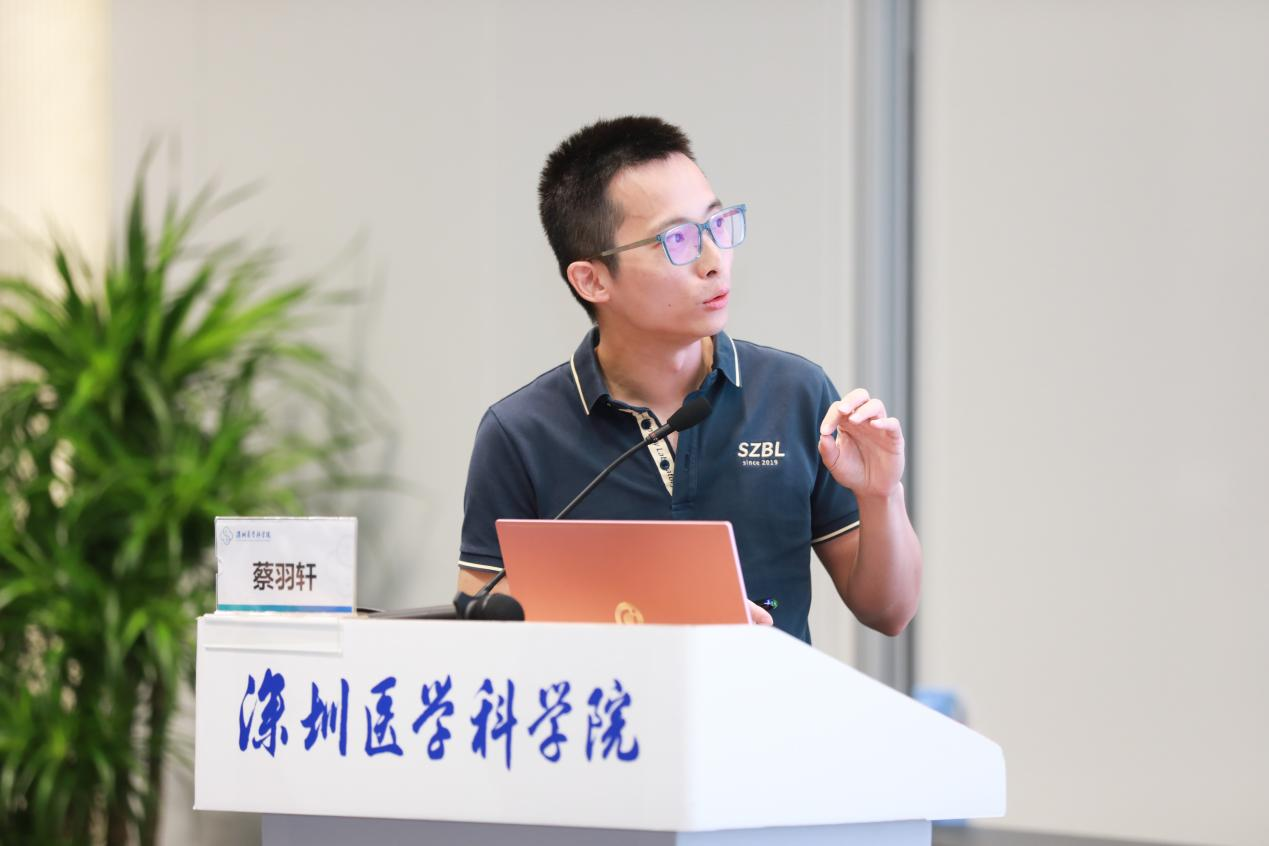
Yu-Hsuan Tsai: Equipping CAR-T with an "Intelligent Switch"
Associate Professor Ming-Yuan Su from Southern University of Science and Technology focused on the mTORC1 signaling pathway. She vividly compared it to a precise metabolic commander: through an upstream regulatory factor network, it senses changes in amino acid levels, thereby orchestrating cell growth and metabolism. Her team not only revealed the regulatory modes of amino acid sensors under nutrient-rich or -deficient conditions, but also elucidated how lysosomal scaffolds deliver inhibitory factors precisely to specific subcellular locations. This series of findings clearly demonstrates that molecular recognition and spatial organization are both indispensable in metabolic regulation.
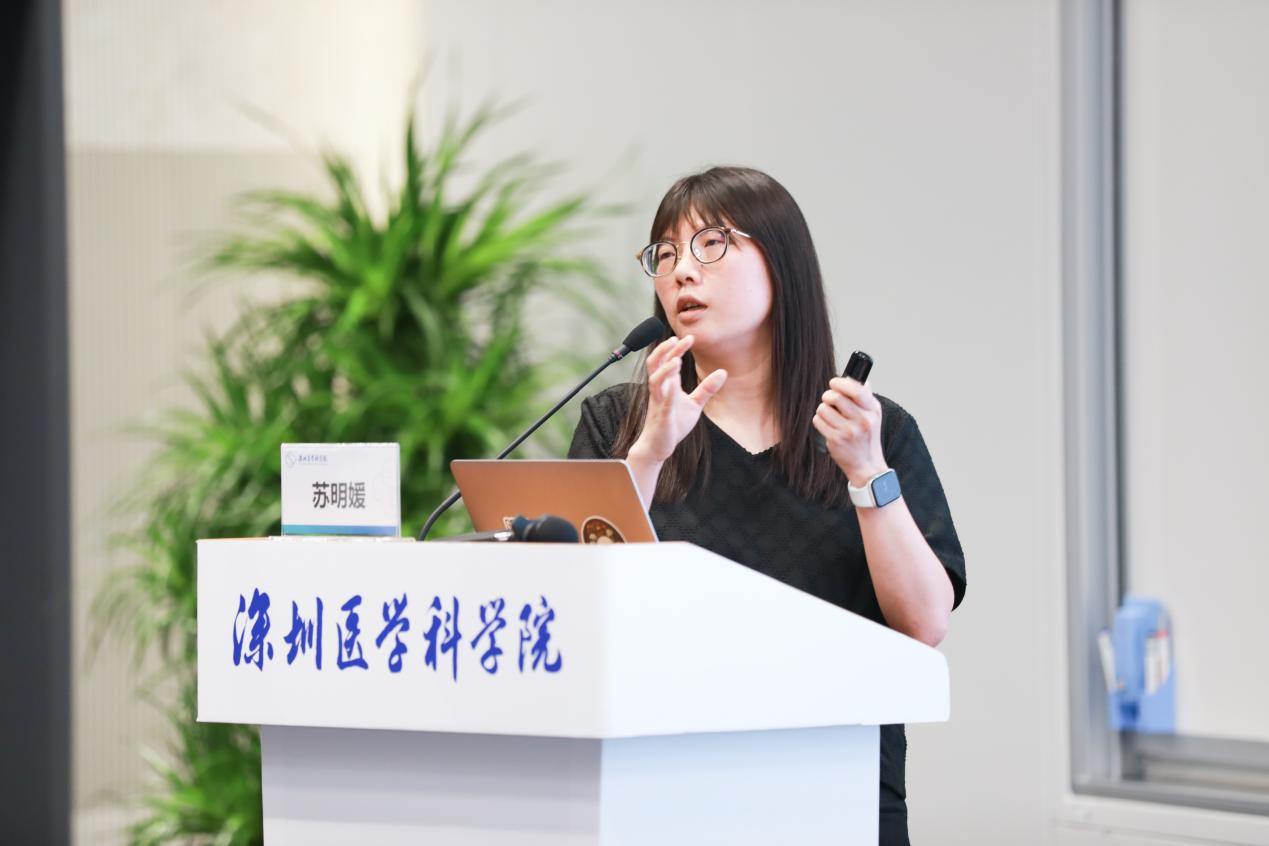
Ming-Yuan Su: Decoding the "Metabolic Command Center" of mTORC1
Professor Yonghong Shao from Shenzhen University systematically explained surface plasmon resonance (SPR) sensing technology. As a label-free, high-sensitivity gold standard for molecular interaction analysis, SPR plays a prominent role in drug screening and mechanistic studies. Professor Shao not only outlined the principles of four typical SPR sensing modalities but also showcased the SPR imaging technology and instrument independently developed by his team, providing a complete technical reference from theory to practice for peers.
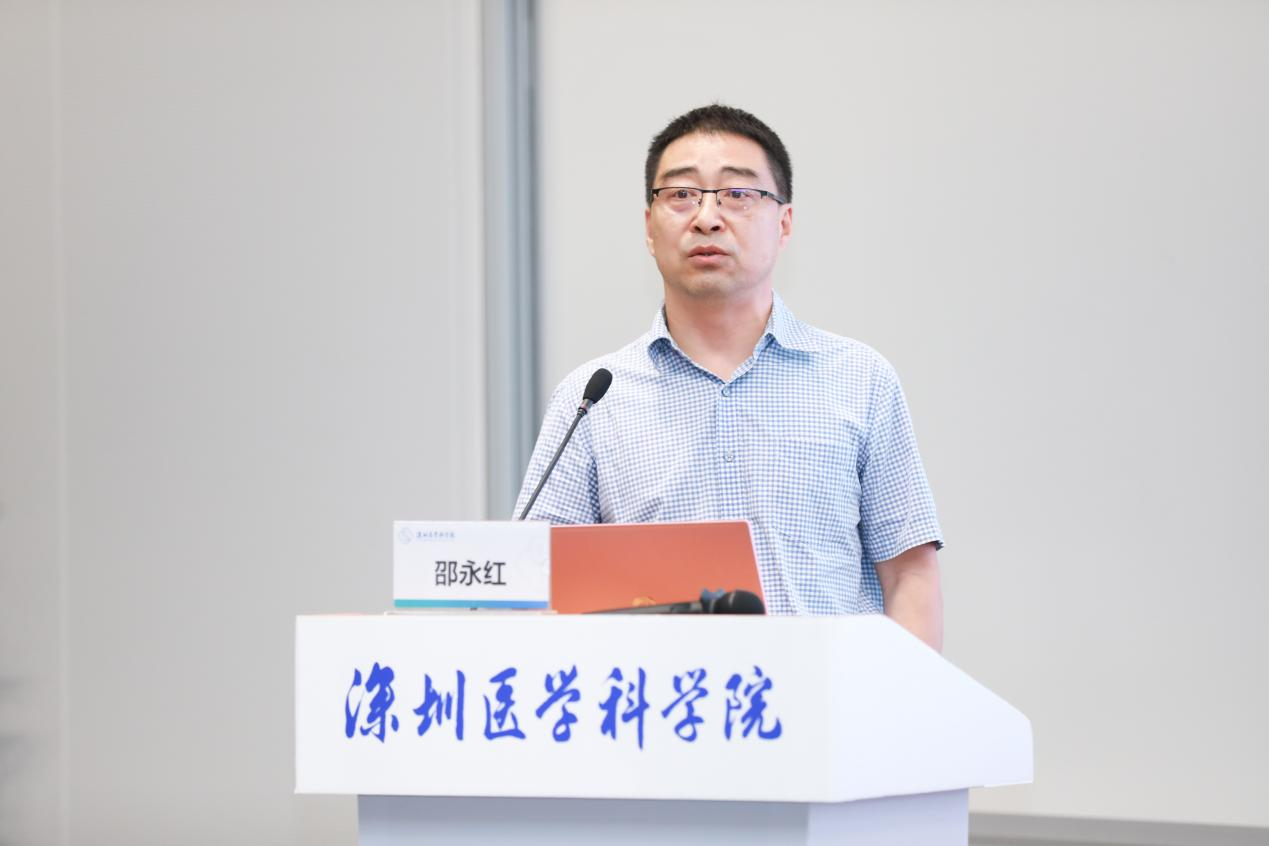
Yonghong Shao: SPR – From Principle to Instrument
Professor Shaohui Huang from the University of Chinese Academy of Sciences delivered an in-depth interpretation of fluorescence correlation spectroscopy (FCS). This technology analyzes the fluctuation patterns of fluorescence signals within a confocal spot of approximately one femtoliter, capturing molecular diffusion and interactions on the microsecond-to-millisecond timescale. FCS and its cross-correlation mode (FCCS) can measure the KD values of protein-nucleic acid, drug-target, and other interactions without purification. That means it is compatible with complex physiological samples such as plasma and cell lysates. It produces results within seconds, and simultaneously provides multidimensional information including concentration and particle size. When combined with imaging techniques, FCS enables in situ dynamic analysis at the single-molecule level within living cells, offering new perspectives for research on signal transduction, liquid-liquid phase separation, and beyond.
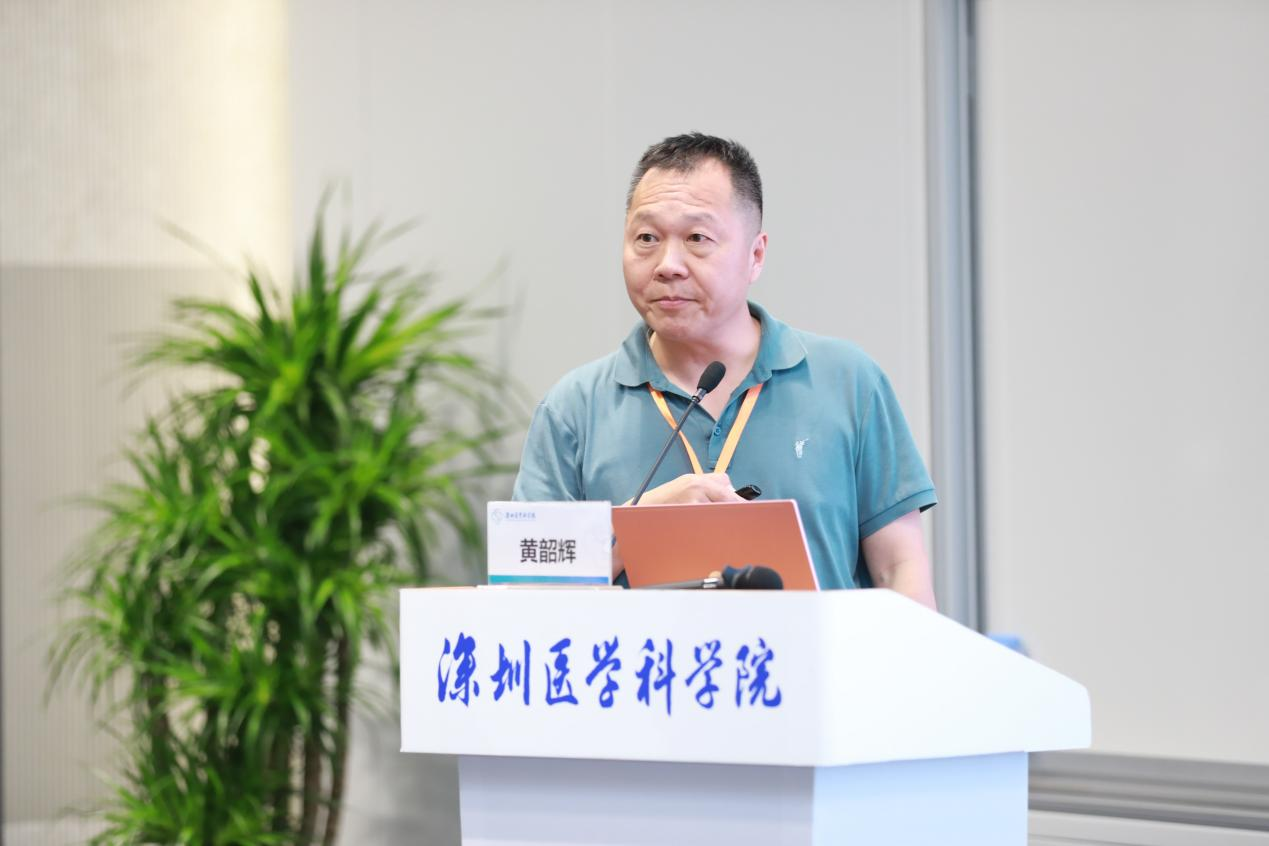
Huang Shaohui: FCS – Peering into Single-Molecule Dynamics
Junior Principal Investigator Wei Yang from the Shenzhen Medical Academy of Research and Translation addressed the common dilemma faced by researchers in molecular interaction detection: "numerous techniques, unsure how to choose." Using real case studies from his own research, Dr. Yang systematically compared the advantages and limitations of four mainstream technologies: microscale thermophoresis (MST), biolayer interferometry (BLI), surface plasmon resonance (SPR), and isothermal titration calorimetry (ITC). Validated by practical cases, this comparative framework provided a clear "tool selection" guide for different research needs, greatly benefiting the audience and offering a practical and actionable decision-making reference for the scientific application of molecular interaction technologies.
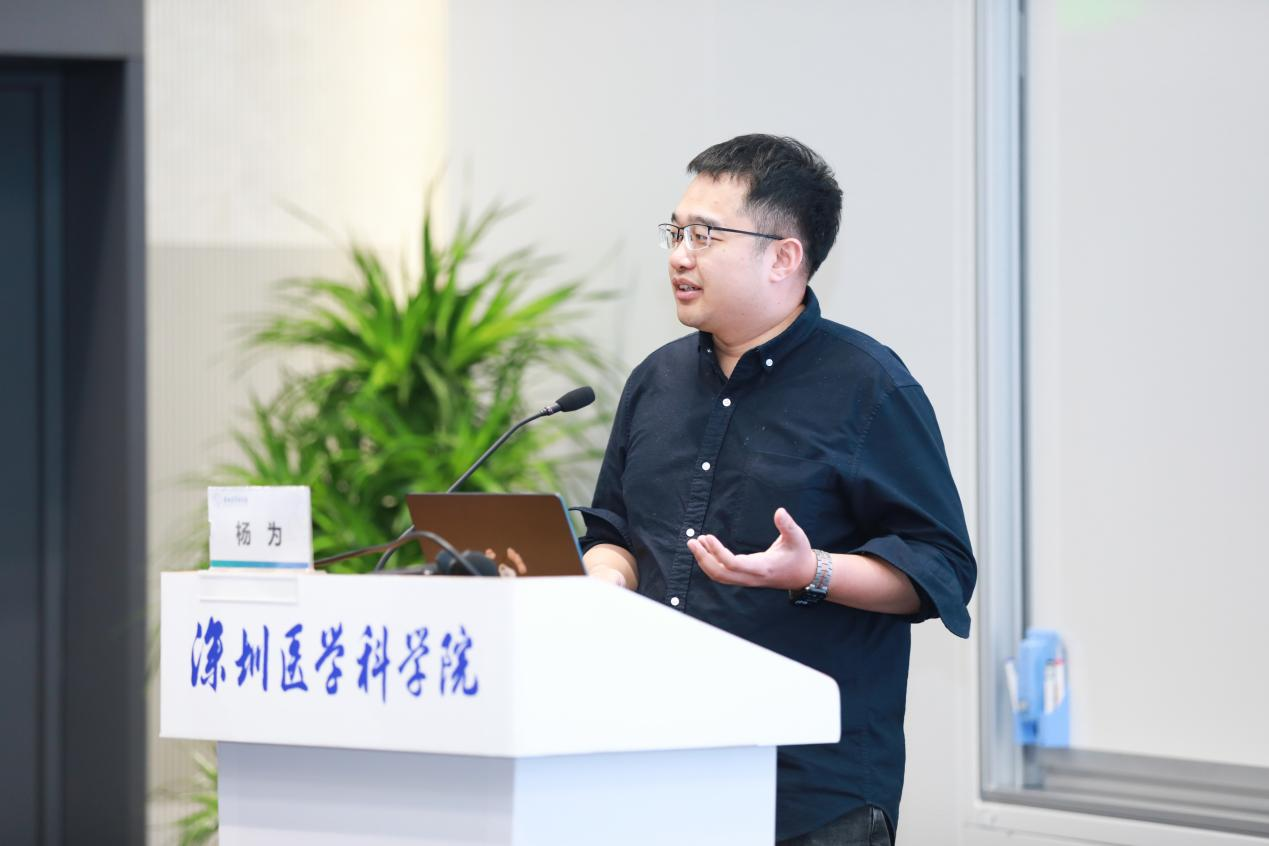
Wei Yang: Four Major Molecular Interaction Technologies in a "Competitive Showdown"
To allow participants to truly "touch" the technologies, the symposium specially arranged group hands-on demonstrations and observation sessions. Under detailed explanations and live demonstrations by engineers, attendees gained in-depth understanding of the principles and operational procedures of instruments including SPR, ITC, MST, BLI, heliXcyto, heliX+, FCS, and z-Movi. Enthusiastic questions were raised around practical application issues, leading to lively on-site exchanges. This symposium integrated theory and practice, providing an immersive experience of the entire workflow of molecular interaction detection.
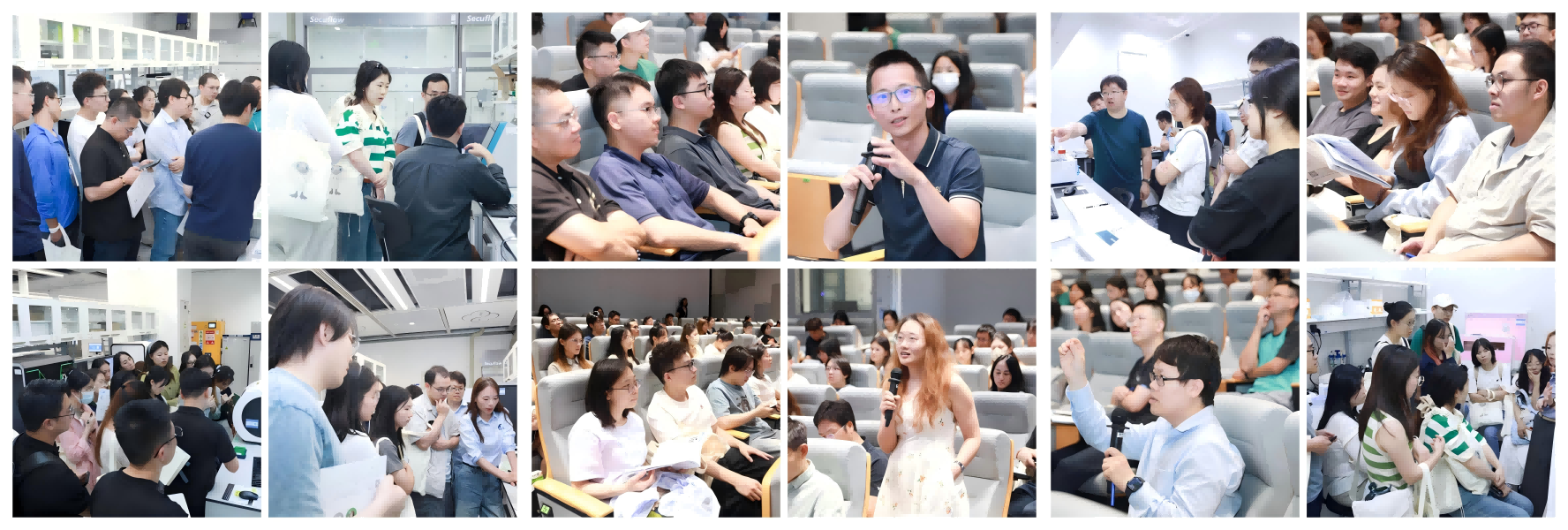
With the conclusion of the hands-on session, the third Bay Area Molecular Interaction Detection Technology Symposium came to a successful close. In the future, the Sample Preparation and Analysis Core Facility of the Shenzhen Medical Academy of Research and Translation will continue to deepen its work in the three technical areas of "biological sample separation/preparation – physicochemical characterization – interaction characterization," providing researchers with full-process or customized technical services. The facility tries its best to help researchers reveal the structural mechanisms, interaction networks, and regulatory principles of biological macromolecules, supporting continued breakthroughs in basic research, drug development, and disease diagnosis and treatment.
 Return to Main Site
 Search
 中文
中文



 中文
中文
 Home
Home


 Message